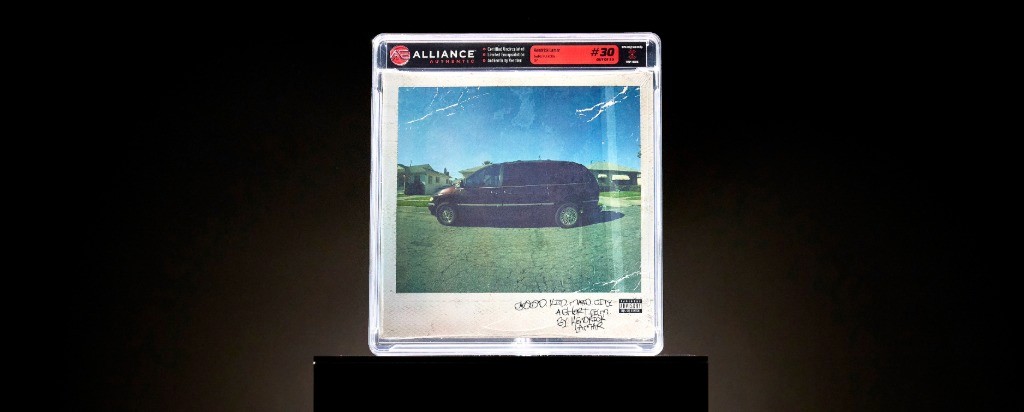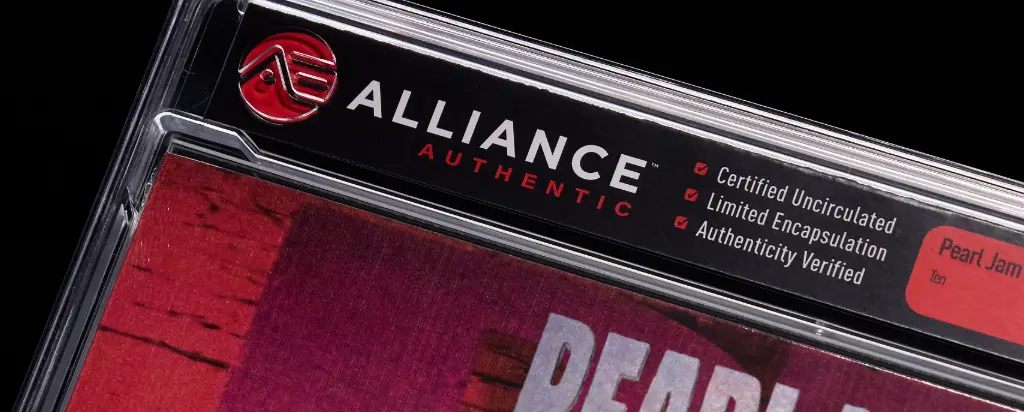
COLLECTOR GUIDE

Brian Tunney
June 24, 2026
5 Minutes Read
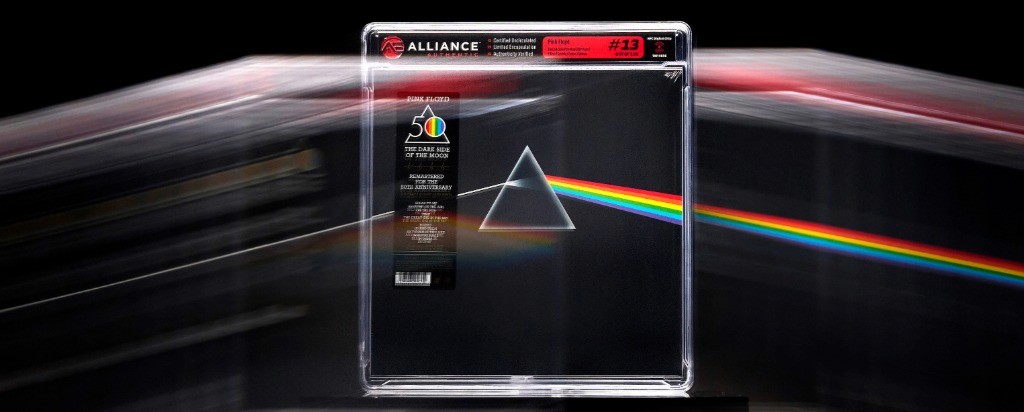
You probably have a record like this. The one you hunted for. The one that arrived at exactly the right moment in your life. The one you would never sell, not because of what it is worth, but because of what it means. The music and the moment became the same thing.
That is where provenance begins. Not in a document. In the weight of what a record carries and the need to make sure that weight does not disappear when the record changes hands.
Provenance matters in record collecting because it preserves the story attached to a record, not just its physical condition. For Alliance Authentic preserved records, provenance gives collectors three things: confidence in what they are holding, continuity across every change of ownership, and context that keeps the record's meaning intact over time. The meaning does not have to start over with each new owner.
What does provenance mean in record collecting?
Provenance is the documented history of an object: where it came from, who has owned it, and what condition it was in at each significant point in its life.
In record collecting, provenance has historically been informal. A seller's word. A description in a listing. A receipt that gets lost. Most records change hands with no documented history at all. The new collector starts from whatever the person before them chose to share.
For preserved records, provenance is something more specific. It is the verifiable chain from the pressing plant forward. Origin documented before retail. Condition certified at encapsulation. Every ownership transfer recorded. That chain does not depend on trust. It is in the record.
Why does provenance matter for preserved records?
Because the records that matter most carry more than music. They carry a moment.
A debut that turned you into a fan. An album tied to a specific year, a specific person, a version of yourself you want to hold onto. A record that played at the most important night of your life. Collectors who feel that pull already understand: this record deserves to be exactly what it was. Its condition. Its origin. Its story.
Psychologist Werner Muensterberger spent decades studying why people collect. His conclusion: collectors gather objects of subjective value, things that contribute to their sense of identity and self-definition. Not what something is worth. What it means to you. Provenance is what keeps that meaning attached to the object over time.
What provenance information should collectors look for?
Origin. Where was the record sourced, and can that be verified? Alliance Authentic sources through Alliance Entertainment's licensed distribution network, intercepting records between the pressing plant and retail. That sourcing position is documentable and specific. It is the foundation of Certified Uncirculated status.
Condition at preservation. What was the record's condition at the moment it was encapsulated, and is that documented independently of the seller? For Alliance Authentic preserved records, condition is established at encapsulation and linked permanently to the NFC chip.
Unique identification. Does this specific copy carry a unique identifier that connects it to its preservation record? Every Alliance Authentic preserved record is numbered within its preserved run.
Ownership history. Has every change of hands been recorded? Through the Alliance Authentic marketplace, every transfer is added to the record's chain. The collector receiving it inherits that history intact.
Is provenance the same as authentication?
Related, but not the same. Authentication confirms that an item is genuine. Provenance documents where it has been and who has owned it.
Authentication answers one question: is this real? Provenance answers a different one: where has this been, and what is its full history? A record can be authenticated without any documented chain of custody. A preserved record with provenance has both.
Alliance Authentic's model combines them. The NFC chip confirms the record's identity and authenticity. The provenance record documents its complete history from the pressing plant forward. Together they give the collector confidence that does not depend on the seller.
How does provenance support ownership history?
Provenance makes ownership history visible and permanent.
In standard record collecting, ownership history disappears. A record passes through ten hands and arrives with no trace of any of them. The collector holding it today knows only what the last seller chose to disclose.
For Alliance Authentic preserved records, every ownership transfer through the Alliance Authentic marketplace is added to the provenance chain. The collector receiving the record does not have to take anyone's word for what it is. The provenance was established at the pressing plant. Every owner since is on record. They inherit a history, not a story.
This matters now. It matters more over time. A record preserved today may change hands three or four times in the next fifty years. Each time, the provenance travels with it. The original preservation moment is still there.
How does NFC-Secured verification support provenance?
NFC-Secured verification is what makes provenance permanent and independently accessible.
The NFC chip embedded in every Alliance Authentic preserved record carries the provenance record: origin, Certified Uncirculated condition, unique identifier, and every ownership transfer. Tap it with a smartphone and the full chain surfaces. No app, no third party, no paperwork required.
NFC-Secured verification makes provenance permanent. Any collector can confirm it independently at any point in the record's life.
How does provenance work with Certified Uncirculated condition?
Certified Uncirculated establishes what the record's condition was at preservation. Provenance is the chain that keeps that establishment verifiable over time.
Alliance Authentic intercepts records through Alliance Entertainment's distribution network before they reach retail. That is the only moment Certified Uncirculated status can be established. Once a record passes through retail, that starting point cannot be recreated.
Every subsequent owner receives both: the record's condition at preservation, and the full documented history of where it has been since.
How is a preserved record different from standard retail vinyl?
A retail record has no documented origin, no verified condition record, and no ownership history. Its story depends on whoever is selling it.
A preserved record has a documented origin established at the pressing plant, a Certified Uncirculated condition record, a unique identifier, an NFC-secured provenance chain, and an ownership history that follows it permanently. Its story does not depend on the seller. It is in the record.
The music can be the same. The provenance is entirely different.
Where can collectors find preserved records with provenance?
Every Alliance Authentic preserved record carries full provenance documentation from the point of preservation forward. There are no tiers. Provenance is part of the standard applied to every record in the collection.
Preserved records are available at allianceauthentic.com, organized by New Arrivals, Curated Collections, artist moments, and cultural moments. Each listing includes the preservation standard, unique numbering within the preserved run, and NFC-Secured verification details for that specific record.
Brian Tunney
Lifelong vinyl and CD collector with a focus on obscure indie labels of the '90s. And that's Pablo.

FREQUENTLY ASKED QUESTIONS

What does provenance mean in music collecting?


Why does provenance matter for collectible vinyl records?

Is provenance the same as a certificate of authenticity?

Does provenance make a preserved record a better gift?

How does provenance make a preserved record more trustworthy than standard retail vinyl?

What happens to provenance when a preserved record changes hands?

FIND YOUR FOREVER COPY

Curated

Numbered

Limited

Certified Uncirculated

NFC-Secured